Aktualności
Wystawy
Kontakt
Muzeum Archeologiczne w Poznaniu
ul. Wodna 27 – Pałac Górków
61-781 Poznań
Skrytka 525 - Muzeum Archeologiczna 60-967 Poznań
e-mail: sekretariat@muzarp.poznan.pl
CENTRALA: 61 628 55 61
Lekcje muzealne:
lekcje@muzarp.poznan.pl
Kontakt z działem Komunikacji i Promocji
Deklaracja dostępności cyfrowej
Informacje dla osób z niepełnosprawnościami słuchu
Informacje o dostępności architektonicznej
dla osób z niepełnosprawnościami
Link do strony Rzecznika Praw Obywatelskich
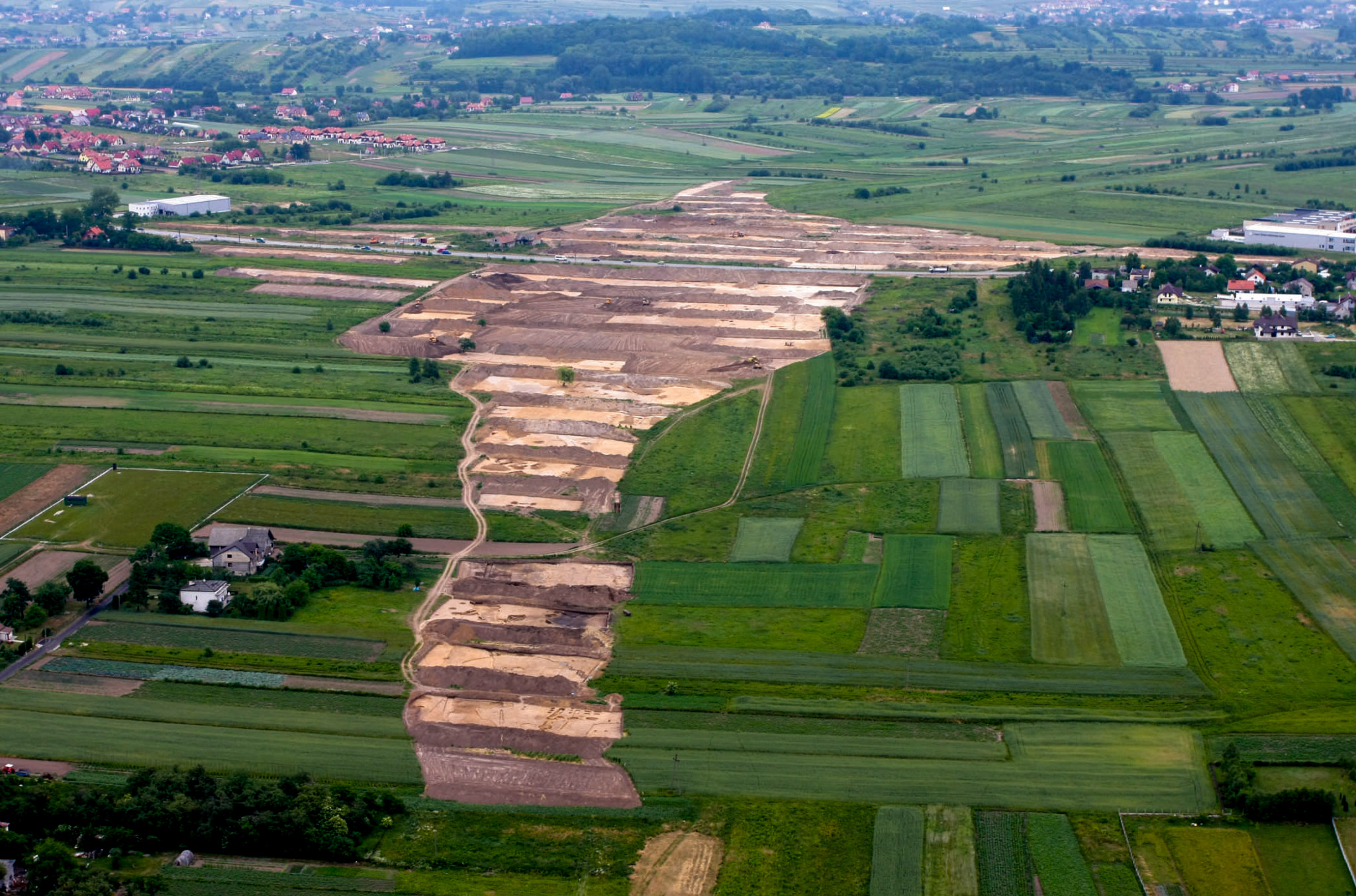
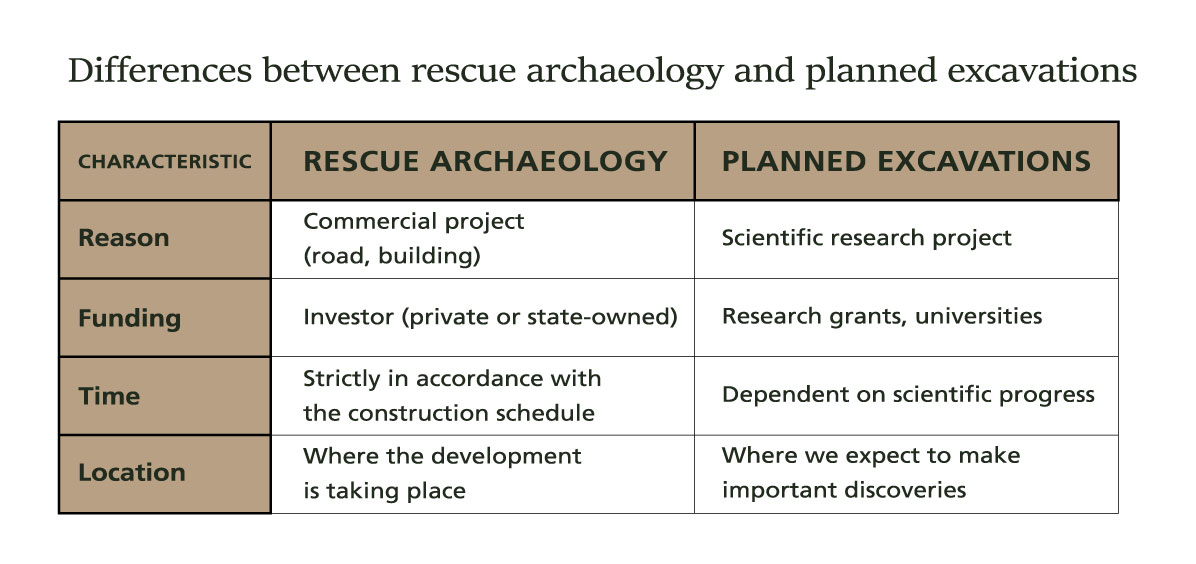
Rescue excavations (often referred to as pre-development surveys) are a specific type of archaeological work carried out at sites under immediate threat of destruction.
Unlike planned excavations, where researchers select a site based on specific research questions, rescue excavations are dictated by the location and schedule of the development project.
Why are these excavations taking place?
The main reason is to protect cultural heritage from construction projects. Under Polish law, if archaeological sites are found in the location earmarked for development, the developer is obliged to fund surveys that will „save” knowledge about the site before it is irreversibly altered.
The most common situations requiring rescue excavations:
Elements of the rescue excavation process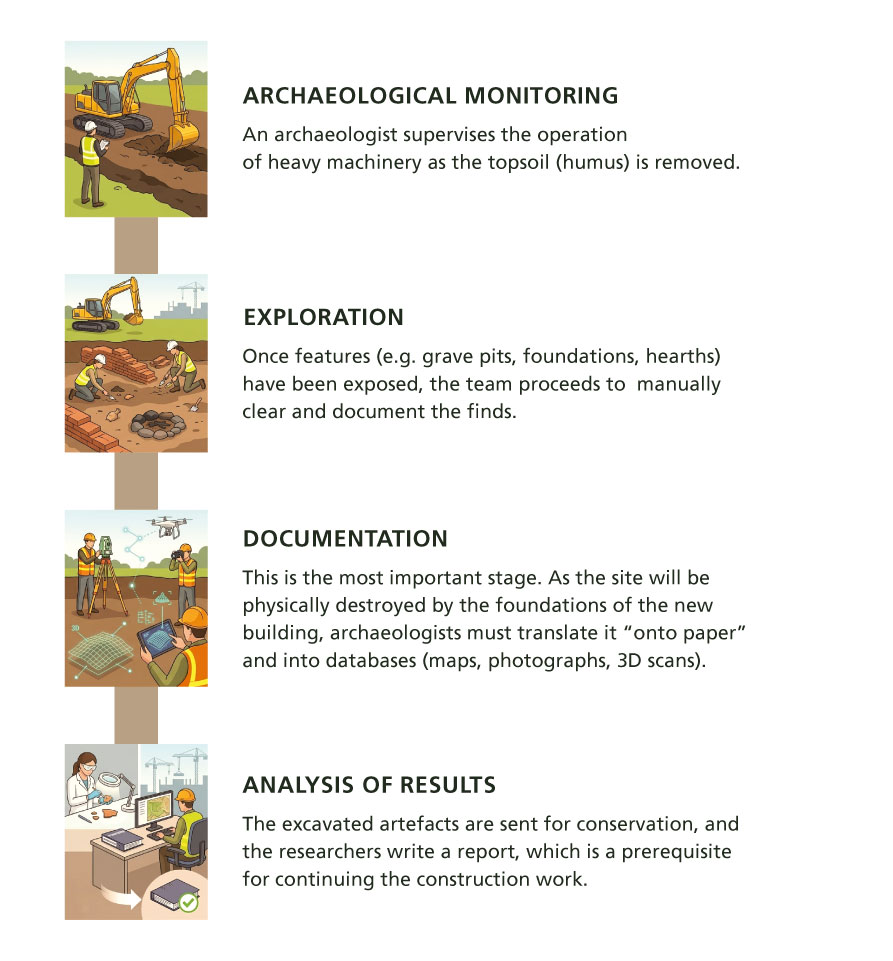
This exhibition is truly exceptional on the Polish museum scene. Thanks to a unique collaboration between nine institutions – the country’s most important museums and leading research centres – we have created rare and cohesive collection of over 1,250 artefacts from rescue excavations carried out during the last 30 years. This unprecedented collaboration has made it possible to present, in one place, treasures that are normally scattered across storerooms and institutes throughout the country.
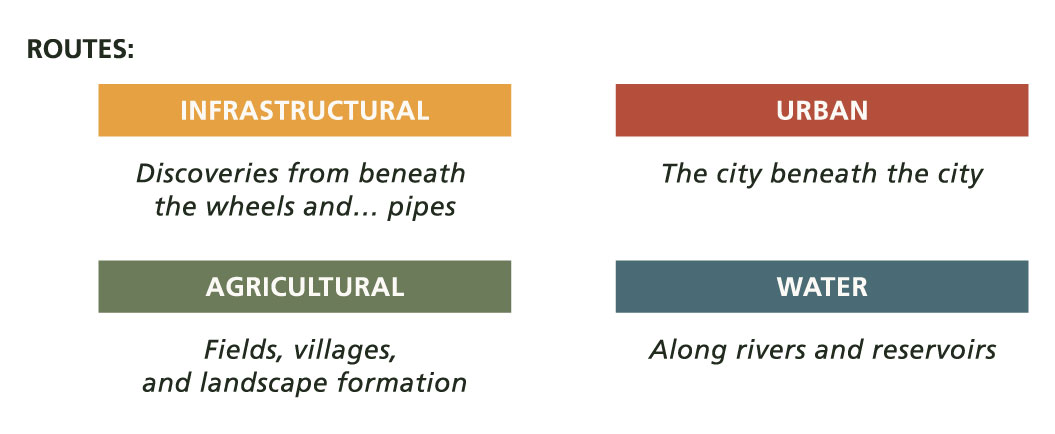
The exhibition concept deliberately avoids a traditional chronological structure. Instead, it guides visitors through four main thematic routes, defined by the context and the reason why archaeologists had to step in.
PROCEDURA DOTYCZĄCA SYGNALISTÓW
OCHRONA DANYCH OSOBOWYCH (RODO)



Nasza strona internetowa używa plików cookies (tzw. ciasteczka) w celach statystycznych, reklamowych oraz funkcjonalnych. Dzięki nim możemy indywidualnie dostosować stronę do twoich potrzeb. Każdy może zaakceptować pliki cookies albo ma możliwość wyłączenia ich w przeglądarce, dzięki czemu nie będą zbierane żadne informacje. Dowiedz się więcej jak je wyłączyć. OK, Rozumiem