- Home
- Visit
- Permanent exhibitions
- The Joy of Life in the Shine of Ra
The Joy of Life in the Shine of Ra
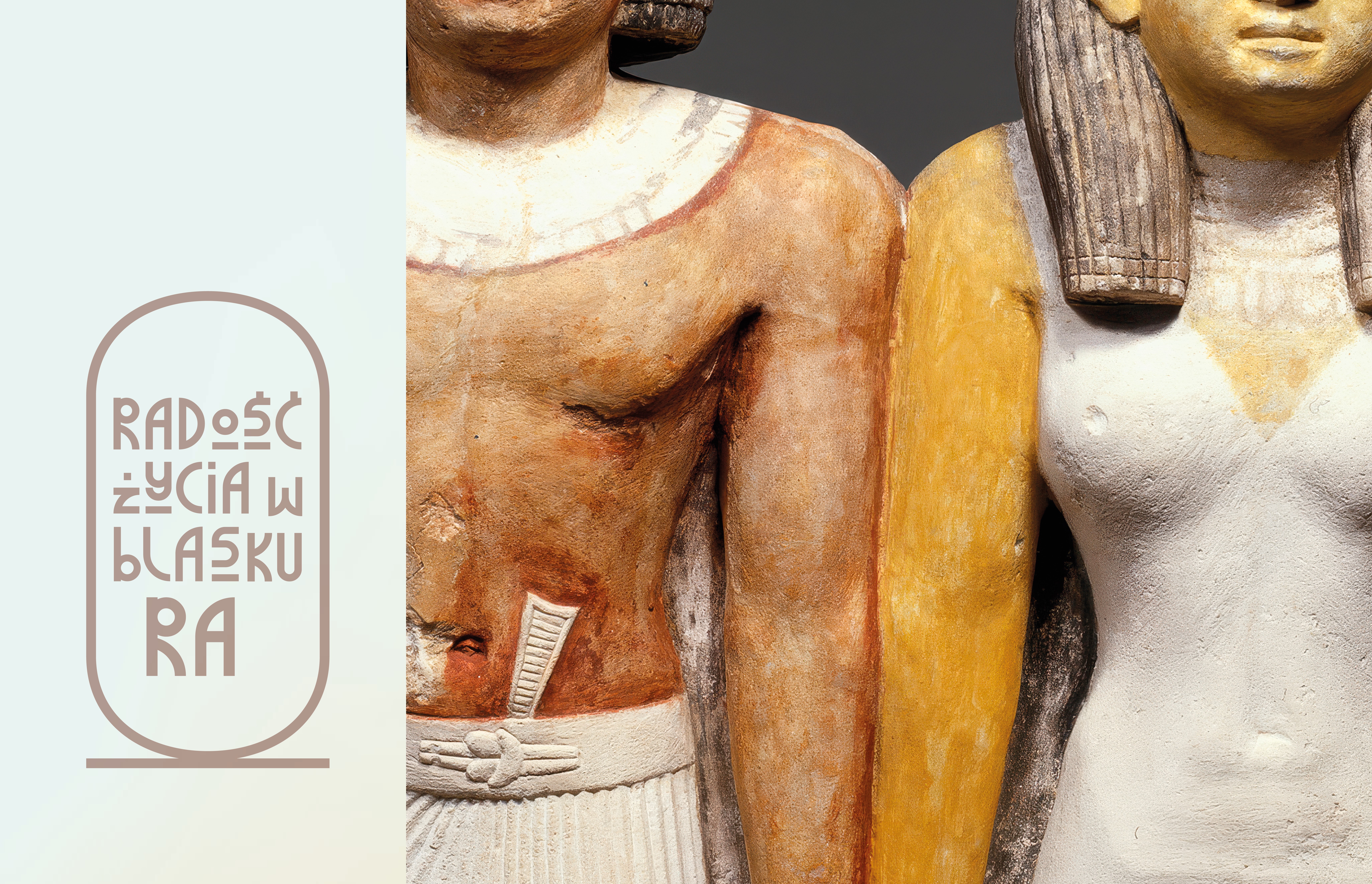
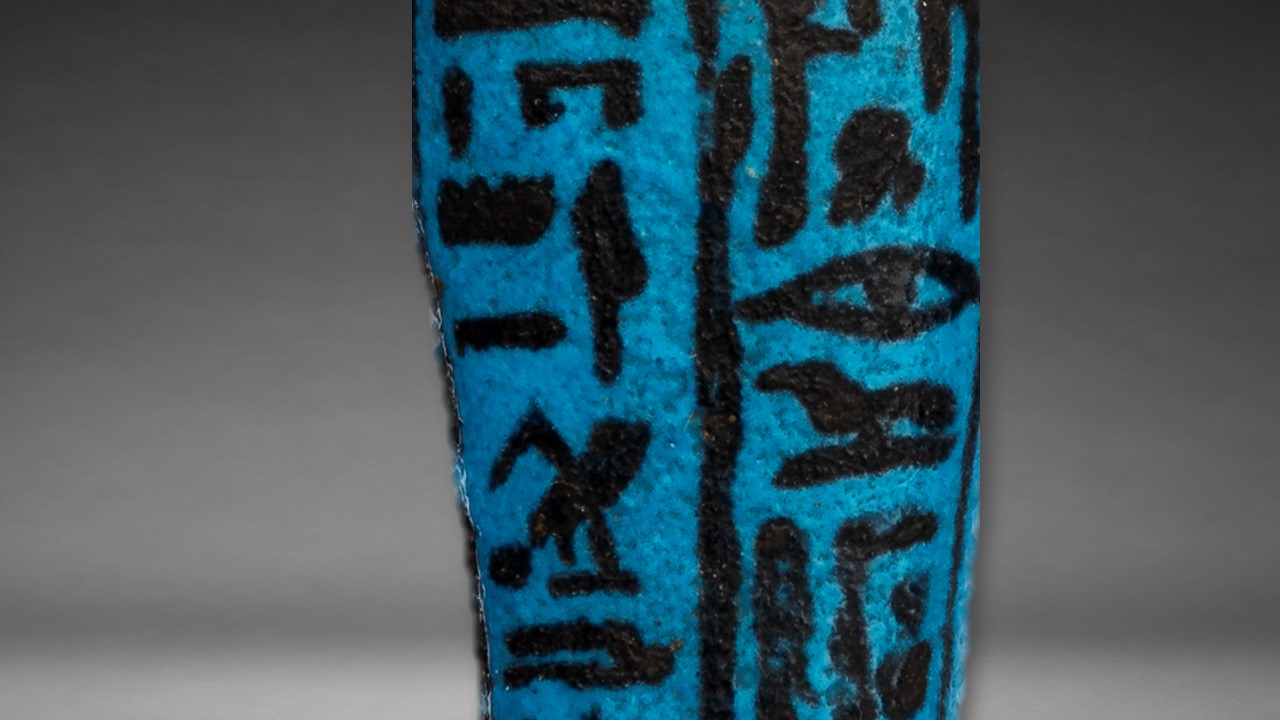
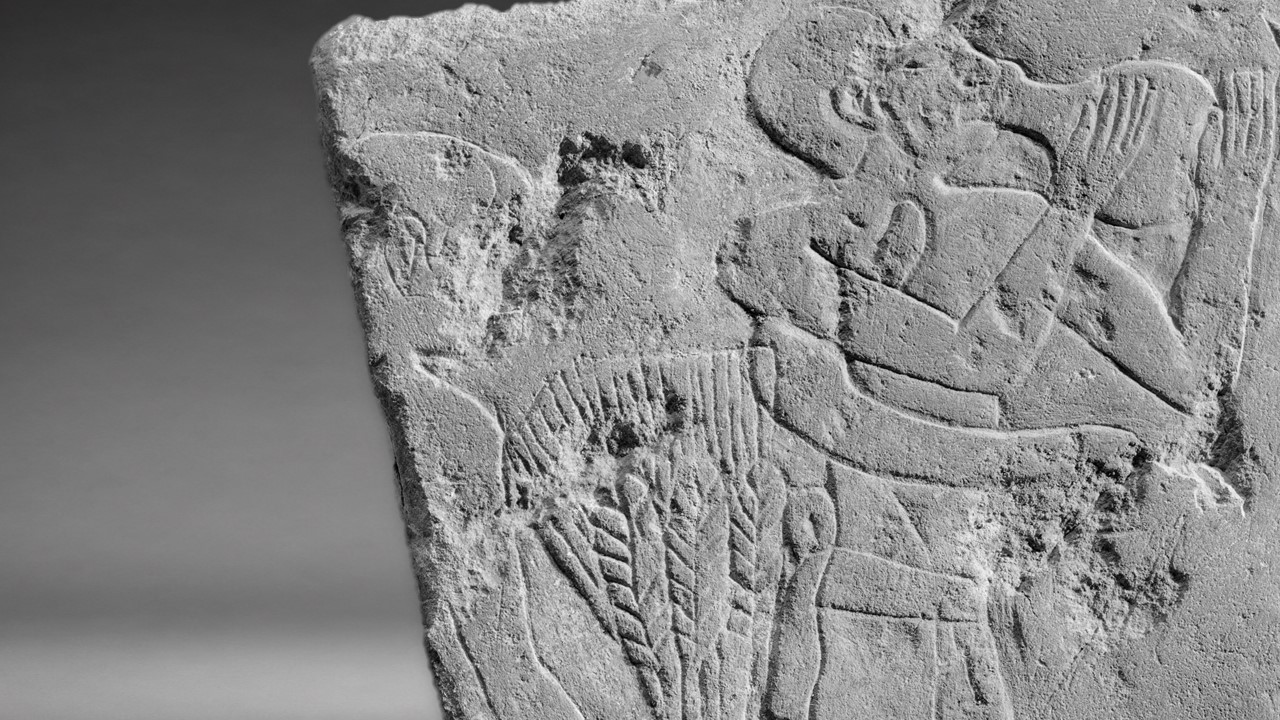
The photographs of Egyptian antiquities from the collections of the Staatliche Museen zu Berlin, Ägyptisches Museum und Papyrussammlung, used on this website, were taken by A. Paasch, S. Steiß, and M. Büsing.
The exhibition is a joint project of the Staatliche Museen zu Berlin, Ägyptisches Museum und Papyrussammlung and the Poznań Archaeological Museum.
Our Guide: The God Ra
Exhibition Structure
Why Visit Us?
Opening
About the Exhibition
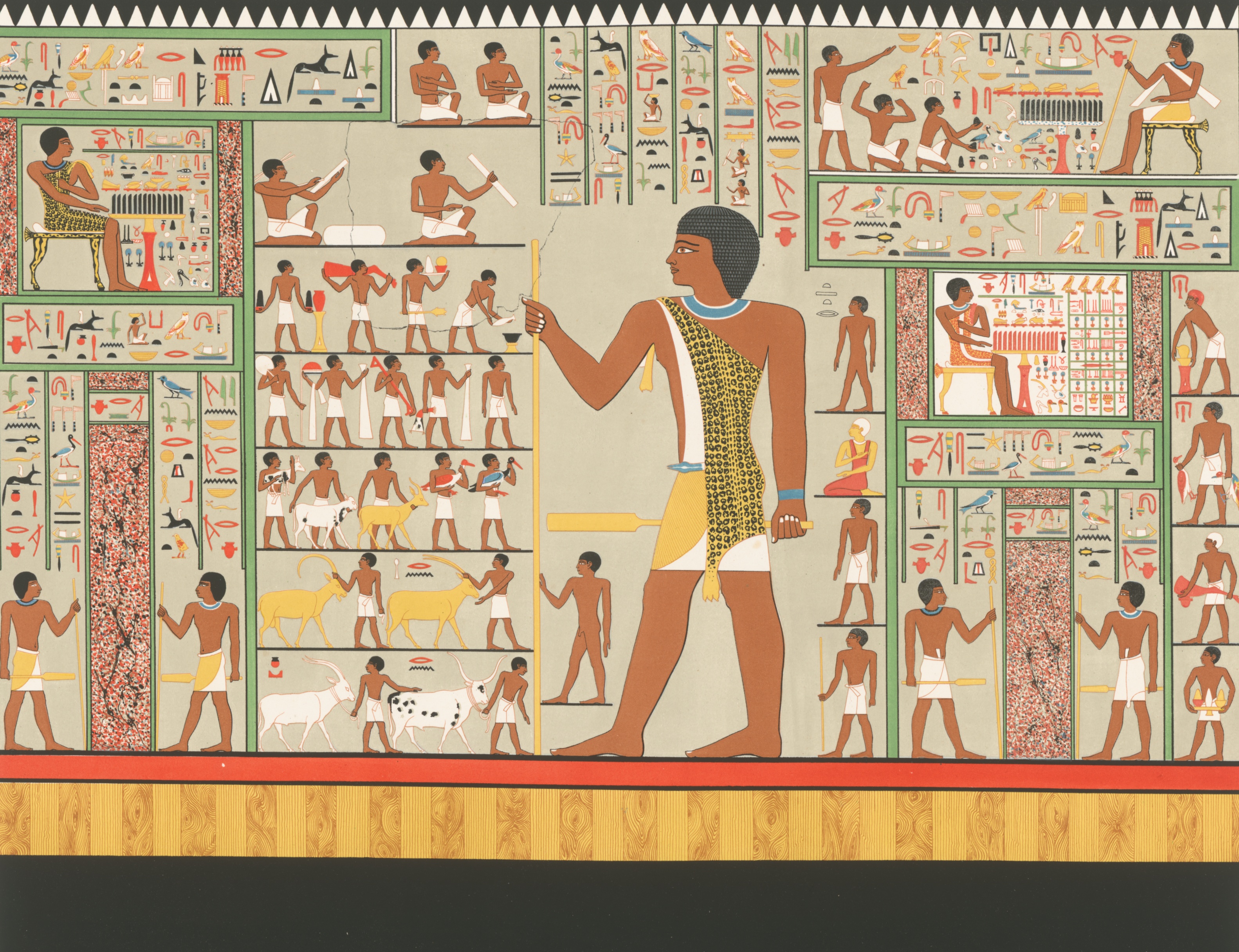
For the ancient Egyptians, life did not end with death. Instead, it was a stage in a long journey toward a more perfect and enduring existence. Everything a person did in life held meaning in the context of eternity. The world of the living and the realm of the dead were understood as two complementary aspects of the same reality, united by the rhythms of nature and the eternal journey of the Sun.
We invite you to embark on a journey to ancient Egypt, a civilisation whose people celebrated life. Their profound affirmation of existence was rooted in the belief that death was not the end of fulfilled earthly life, but a moment of transition to another realm: the Land of the Dead. In this worldview, the human soul was immortal, and death marked the beginning of life in the Eternal Fields of Reeds, the Egyptian vision of paradise, imagined as a mirror of the earthly world.
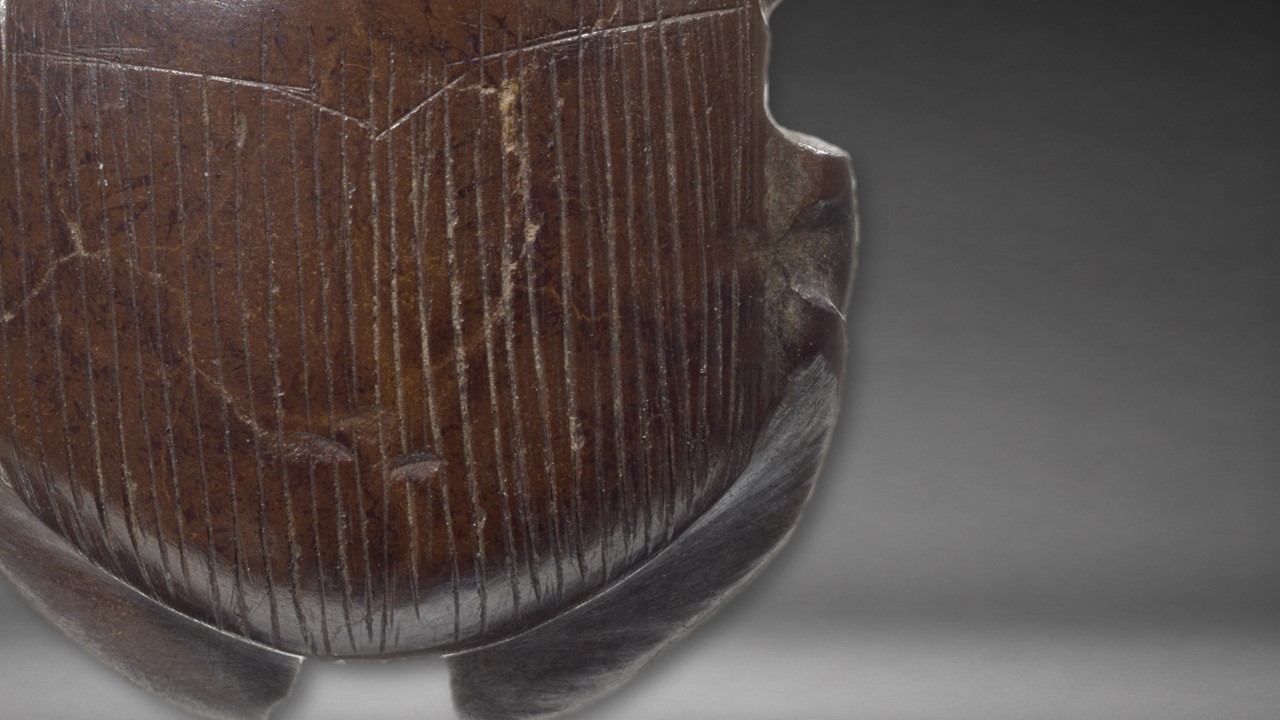
The god Ra – the giver of warmth, light, and life – will lead you through the exhibition halls. Life on the Nile unfolded in his shine. As the most important celestial body, the Sun was seen as a powerful creative force, both omnipotent and unattainable. Its daily journey across the sky assured that darkness would always give way to light, and that death would be followed by new life. Each morning, Ra appeared on the horizon as Khepri, the scarab beetle, and completed his daily journey as Atum in the west. When he crossed the threshold of the night sky aboard his solar barque, he began a perilous voyage within the body of the goddess Nut through the Duat. This eternal cycle sustained the order of the world, the cosmic harmony that provided a sense of stability and the promise of eternal existence. The sunrise and the presence of the Sun in the sky symbolically mark the beginning of our exhibition, while the sunset and the voyage through the Underworld bring the narrative to a close.
Exhibition Structure
The exhibition is divided into two parts, presenting life on Earth and life after death as mirror reflections of one another. This approach highlights the duality of the ancient Egyptian worldview, in which the realm of the dead was understood as a reflection of earthly existence. Both sections explore six key themes related to life along the Nile, with every theme in the world of the living mirrored by its counterpart in the afterlife. This structure reveals the continuity of life in ancient Egypt, where death was seen as a moment of transition.
| Part 1. Earthly life |
Part 2. Land of the Dead |
| Ideal place to live |
Ideal place to live after death |
| Perfect Egyptian |
Perfected dead |
| Ideal life |
Ideal afterlife |
| Ideal ruler |
Ideal ruler of the dead |
| Great Gods |
Great Gods |
| Perfect script |
Perfect script |
Due to the interwoven nature of many aspects of ancient Egyptian culture and religion, the exhibition avoids rigid divisions within its two sections. Instead, the arrangement of objects and the narrative relating to different aspects of life remain fluid, allowing visitors to develop their own interpretations of the exhibition.
The exhibition’s narrative and object-based layers are enriched by animations displayed on screens and a dedicated audio guide, developed separately for adults and children, using storytelling techniques. Visitors get immersed in a story that engages them emotionally and facilitates a deeper understanding of the ancient Egyptian celebration of life. Thus, this “journey through time” becomes an authentic experience.
A distinctive feature of the exhibition is its range of educational materials. The co-called character cards allow visitors to explore the galleries in the company of ancient Egyptians, including a farmer, a potter, a priestess, a scribe, a pair of Egyptian teenagers, and a modern archaeologist.
Younger explorers can follow a dedicated trail accompanied by a printed educational guide. Designed specifically for children, this route incorporates sensory learning elements and tactile replicas of artefacts, helping them better understand and engage with the world of ancient Egypt.
This exhibition is more than a collection of artefacts. It is a narrative about the harmony between humanity, nature, and the divine. It demonstrates that the Egyptian worldview was imbued with optimism and that the pursuit of an “ideal life” remains a universal human aspiration that transcends time. Designed for a wide audience, the exhibition invites visitors to explore the past in a modern and engaging way. We welcome families with children, school groups, students, and all those with a passion for the history of ancient Egypt.
Opening
The development of a new permanent exhibition is a complex and time-consuming undertaking. While work has been ongoing for several years, the most intensive phase began in 2025. We are making every effort to open the exhibition to visitors by late November 2026.
We invite you to follow us on Facebook for updates. Here